Structure
Column Supplier in Malaysia: The Vertical Anchors of Strength and Design
Mar 12 2026
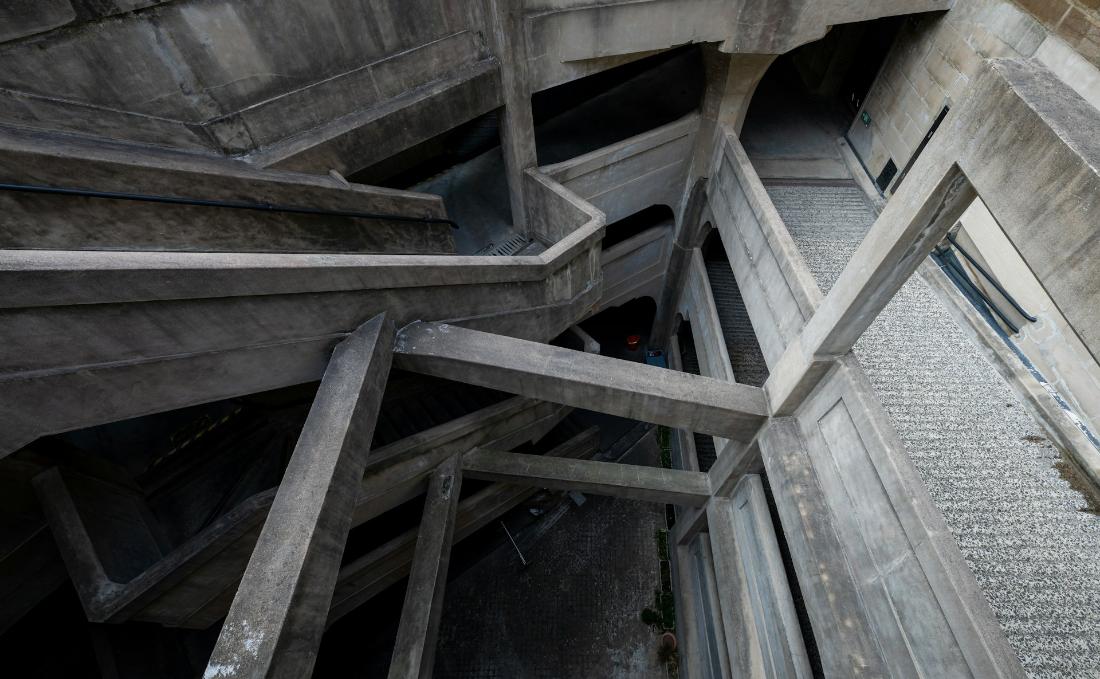
In the language of architecture, the column speaks with a voice of permanence. It is the vertical anchor that rises from foundation to roof, transferring the immense weight of a structure down to the earth with quiet, unyielding confidence. From the soaring concrete pillars supporting a Kuala Lumpur skyscraper to the elegant steel columns defining the interior of Putrajaya's modernist mosque, these elements are fundamental to both structural integrity and architectural expression. In Malaysia's rapidly evolving construction landscape, the role of the column has transcended pure engineering to become a statement of design philosophy, a testament to material science, and a symbol of the nation's building ambitions. At the heart of this transformation stands the column supplier, a specialist whose expertise spans the worlds of structural engineering, material technology, and logistical precision.
The column supplier in Malaysia operates at the intersection of multiple industries, serving residential developers, commercial contractors, infrastructure engineers, and even heritage restoration specialists. Their product range is remarkably diverse, encompassing steel columns fabricated to international standards, precast concrete columns manufactured in controlled factory environments, and even decorative architectural columns that blend structural function with aesthetic intent. Each type serves a distinct purpose, and the knowledgeable supplier guides clients through the complex considerations of load requirements, environmental exposure, design integration, and project timelines. In a nation where construction standards are increasingly rigorous and project demands increasingly sophisticated, the column supplier has become an indispensable partner in the building process.
Steel columns represent one of the most critical categories in the supplier's portfolio, prized for their strength-to-weight ratio, precision manufacturing, and adaptability to complex designs. Companies like Mumtaz Energy have established themselves as premier suppliers of structural steel in Malaysia, offering a comprehensive range of products including steel columns engineered specifically for demanding applications in oil and gas facilities and large-scale infrastructure projects . Their steel columns comply with rigorous international standards including ASME, European Standards (EN), and API specifications, ensuring that each component meets the highest requirements for safety and performance . The specifications for these columns are precise, with universal column sections available in sizes ranging from 6-inch to 14-inch profiles, each engineered to handle specific load-bearing requirements .
The column supplier in Malaysia operates at the intersection of multiple industries, serving residential developers, commercial contractors, infrastructure engineers, and even heritage restoration specialists. Their product range is remarkably diverse, encompassing steel columns fabricated to international standards, precast concrete columns manufactured in controlled factory environments, and even decorative architectural columns that blend structural function with aesthetic intent. Each type serves a distinct purpose, and the knowledgeable supplier guides clients through the complex considerations of load requirements, environmental exposure, design integration, and project timelines. In a nation where construction standards are increasingly rigorous and project demands increasingly sophisticated, the column supplier has become an indispensable partner in the building process.
Steel columns represent one of the most critical categories in the supplier's portfolio, prized for their strength-to-weight ratio, precision manufacturing, and adaptability to complex designs. Companies like Mumtaz Energy have established themselves as premier suppliers of structural steel in Malaysia, offering a comprehensive range of products including steel columns engineered specifically for demanding applications in oil and gas facilities and large-scale infrastructure projects . Their steel columns comply with rigorous international standards including ASME, European Standards (EN), and API specifications, ensuring that each component meets the highest requirements for safety and performance . The specifications for these columns are precise, with universal column sections available in sizes ranging from 6-inch to 14-inch profiles, each engineered to handle specific load-bearing requirements .

For projects requiring the ultimate in quality assurance and fabrication expertise, suppliers like ESC Steel Engineering demonstrate the pinnacle of what the industry can achieve. ESC supplies steel columns, purlins, frames, and other structural components to projects around the world, backed by state-of-the-art fabrication capabilities . Their facilities utilize high-precision CNC machinery for cutting, drilling, and machining, ensuring that every column meets exact specifications with tolerances measured in fractions of millimetres . Welding, one of the most critical aspects of steel column fabrication, is performed by AWS-qualified inspectors using multiple welding technologies, with comprehensive non-destructive testing to verify every joint . For clients concerned about Malaysia's tropical climate, ESC offers extensive blasting, coating, and galvanizing services that protect steel columns from corrosion, ensuring longevity even in coastal or high-humidity environments .
Another significant player in the steel supply sector is Genetica (M) Sdn Bhd, whose diverse product lineup includes columns, plates, channels, I-beams, and an extensive range of other steel products . As an ISO 9001:2015 certified company, Genetica supplies materials for key projects with major clients including PETRONAS and other industry leaders, demonstrating the level of trust that established suppliers command in the Malaysian market . Their ability to provide everything from raw steel to fabricated components, along with industrial hardware and building materials, makes them a comprehensive partner for contractors seeking a single reliable source .
While steel dominates many commercial and industrial applications, precast concrete columns have become increasingly prominent in Malaysian construction, particularly for residential and commercial buildings where speed, consistency, and cost-effectiveness are paramount. The Industrialised Building System (IBS) approach, championed by companies like OKA Corporation Bhd, has revolutionized how columns are produced and installed . OKA's precast reinforced concrete columns are manufactured in controlled factory environments under stringent ISO 9001 quality management systems, ensuring consistent mix proportions, accurate dimensions, and uniform curing conditions that are difficult to achieve with traditional cast-in-place methods
Another significant player in the steel supply sector is Genetica (M) Sdn Bhd, whose diverse product lineup includes columns, plates, channels, I-beams, and an extensive range of other steel products . As an ISO 9001:2015 certified company, Genetica supplies materials for key projects with major clients including PETRONAS and other industry leaders, demonstrating the level of trust that established suppliers command in the Malaysian market . Their ability to provide everything from raw steel to fabricated components, along with industrial hardware and building materials, makes them a comprehensive partner for contractors seeking a single reliable source .
While steel dominates many commercial and industrial applications, precast concrete columns have become increasingly prominent in Malaysian construction, particularly for residential and commercial buildings where speed, consistency, and cost-effectiveness are paramount. The Industrialised Building System (IBS) approach, championed by companies like OKA Corporation Bhd, has revolutionized how columns are produced and installed . OKA's precast reinforced concrete columns are manufactured in controlled factory environments under stringent ISO 9001 quality management systems, ensuring consistent mix proportions, accurate dimensions, and uniform curing conditions that are difficult to achieve with traditional cast-in-place methods
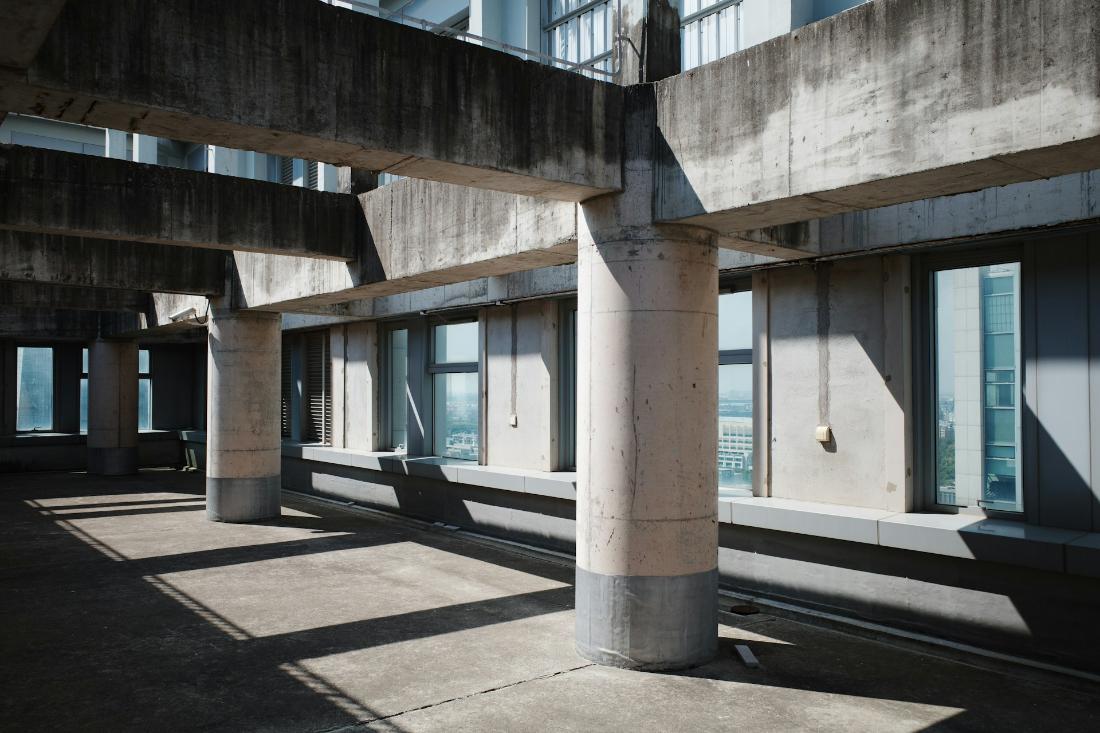
The advantages of precast concrete columns extend beyond quality to encompass project efficiency and site safety. Because these elements are produced off-site while foundation work proceeds simultaneously, construction timelines can be accelerated significantly . The controlled factory environment eliminates the variables of weather and on-site labour skill that can compromise cast-in-place concrete, resulting in columns with superior compressive strength, minimal shrinkage, and excellent resistance to Malaysia's tropical climate . Furthermore, the reduction in on-site formwork, scaffolding, and wet trades leads to cleaner, safer working conditions and less congestion on busy urban sites . For developers working under tight schedules and penalty clauses, these efficiencies translate directly into lower holding costs and faster returns on investment .
The design flexibility of modern precast concrete is another compelling advantage. Contrary to perceptions that precast is rigid and limited, contemporary technology allows for a wide range of shapes, textures, and finishes . OKA's IBS system includes precast columns that can be designed using advanced software like PTC SE Cad, which imposes over 25 years of IBS development experience from Singapore's Housing Development Board . This enables the creation of three-dimensional modelling and automatically generates structural detailing drawings, ensuring that each column integrates perfectly with beams, slabs, and other elements . For architects seeking to merge functionality with design innovation, precast concrete columns offer a perfect balance between structural performance and aesthetic potential .
The versatility of precast extends to specialized applications such as marine structures, where companies like OKA provide precast jetty components including columns, pile caps, and fender beams designed to ease construction in challenging coastal environments . These components are engineered to withstand the corrosive effects of saltwater and the dynamic loads of wave action, demonstrating the adaptability of precast technology to Malaysia's diverse geography.
Heidelberg Materials, another major player in the Malaysian concrete industry, emphasizes how precast components like columns contribute to sustainability goals under Malaysia's Green Building Index (GBI) framework . The precise casting process reduces material waste compared to conventional construction, while factory water recycling and formwork reuse minimize environmental impact . The thermal mass properties of concrete columns also contribute to building energy efficiency, and the longer lifespan of precast structures results in lower lifecycle emissions . For developers pursuing green certifications, these attributes are increasingly valuable.
The design flexibility of modern precast concrete is another compelling advantage. Contrary to perceptions that precast is rigid and limited, contemporary technology allows for a wide range of shapes, textures, and finishes . OKA's IBS system includes precast columns that can be designed using advanced software like PTC SE Cad, which imposes over 25 years of IBS development experience from Singapore's Housing Development Board . This enables the creation of three-dimensional modelling and automatically generates structural detailing drawings, ensuring that each column integrates perfectly with beams, slabs, and other elements . For architects seeking to merge functionality with design innovation, precast concrete columns offer a perfect balance between structural performance and aesthetic potential .
The versatility of precast extends to specialized applications such as marine structures, where companies like OKA provide precast jetty components including columns, pile caps, and fender beams designed to ease construction in challenging coastal environments . These components are engineered to withstand the corrosive effects of saltwater and the dynamic loads of wave action, demonstrating the adaptability of precast technology to Malaysia's diverse geography.
Heidelberg Materials, another major player in the Malaysian concrete industry, emphasizes how precast components like columns contribute to sustainability goals under Malaysia's Green Building Index (GBI) framework . The precise casting process reduces material waste compared to conventional construction, while factory water recycling and formwork reuse minimize environmental impact . The thermal mass properties of concrete columns also contribute to building energy efficiency, and the longer lifespan of precast structures results in lower lifecycle emissions . For developers pursuing green certifications, these attributes are increasingly valuable.
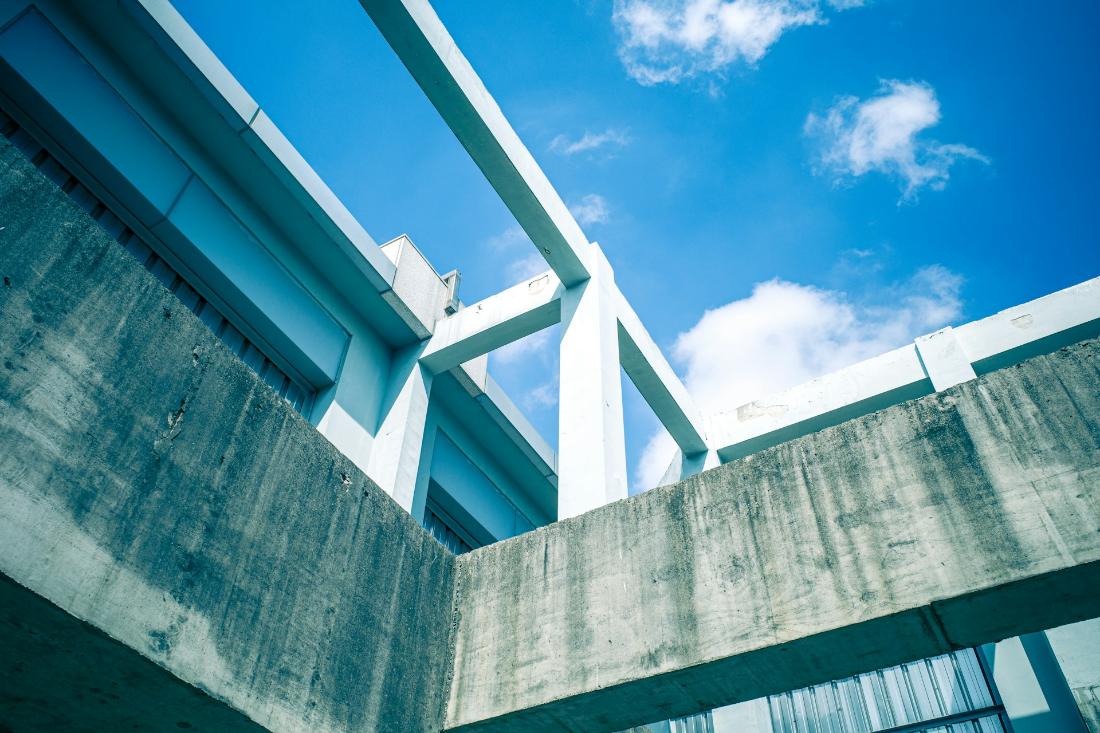
Beyond the purely structural, columns in Malaysia sometimes serve decorative and architectural functions that demand specialized products. Cheng Huat Hardware, for instance, offers PBM architectural blocks including columns designed for aesthetic applications in gardens, building facades, retaining walls, and interior feature walls . These concrete blocks, measuring 39 centimetres square and 19 centimetres high, weigh approximately 31.5 kilograms and are manufactured from high-grade concrete that combines durability with visual appeal . Available in profiles including checkerboard blocks, grooved blocks, flower box blocks, and wave blocks, these architectural columns allow designers to create visually striking elements that remain fully functional structural components . This intersection of engineering and aesthetics demonstrates the expanding possibilities that modern column suppliers bring to the Malaysian market.
The choice between steel and concrete columns involves complex trade-offs that a knowledgeable supplier helps clients navigate. Structural steel, as explained by industry sources like Bumi Era New Construction, offers advantages in high-strength applications where long spans or heavy loads are involved . Steel columns are typically lighter than their concrete equivalents, reducing foundation loads and enabling faster erection. They are also highly adaptable to future modifications, a consideration for buildings that may need reconfiguration. However, steel requires ongoing protection against corrosion, particularly in Malaysia's humid climate, and its fire resistance must be enhanced through applied coatings or encasement .
Concrete columns, by contrast, offer inherent fire resistance, excellent acoustic insulation, and superior performance in compression . They are generally more economical for residential and mid-rise commercial buildings, particularly when produced using IBS methods that maximize efficiency. The thermal mass of concrete contributes to building energy performance, and the material's familiarity to local contractors ensures widespread expertise in installation. The choice often comes down to project-specific factors: building height, architectural requirements, site access, budget constraints, and timeline .
The choice between steel and concrete columns involves complex trade-offs that a knowledgeable supplier helps clients navigate. Structural steel, as explained by industry sources like Bumi Era New Construction, offers advantages in high-strength applications where long spans or heavy loads are involved . Steel columns are typically lighter than their concrete equivalents, reducing foundation loads and enabling faster erection. They are also highly adaptable to future modifications, a consideration for buildings that may need reconfiguration. However, steel requires ongoing protection against corrosion, particularly in Malaysia's humid climate, and its fire resistance must be enhanced through applied coatings or encasement .
Concrete columns, by contrast, offer inherent fire resistance, excellent acoustic insulation, and superior performance in compression . They are generally more economical for residential and mid-rise commercial buildings, particularly when produced using IBS methods that maximize efficiency. The thermal mass of concrete contributes to building energy performance, and the material's familiarity to local contractors ensures widespread expertise in installation. The choice often comes down to project-specific factors: building height, architectural requirements, site access, budget constraints, and timeline .
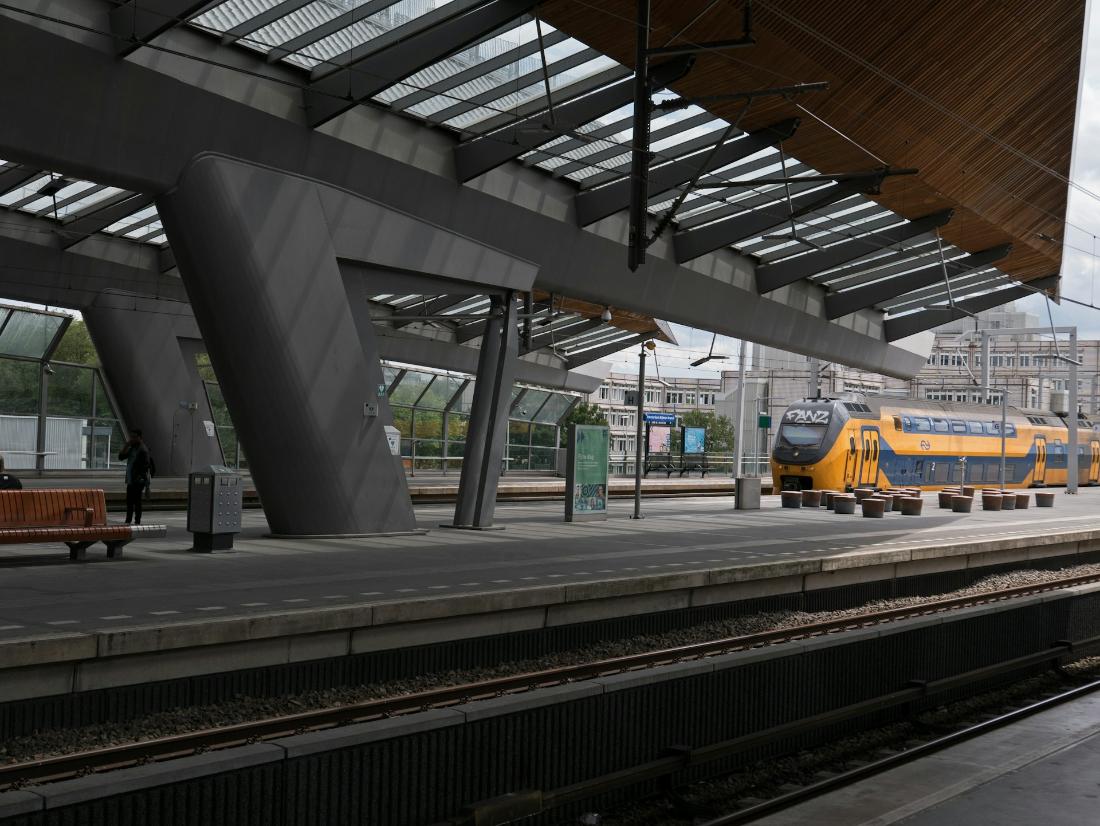
The logistical expertise of a column supplier is as important as their product quality. Columns are among the heaviest and most awkward components on any construction site, requiring careful planning for transport, handling, and installation. For precast concrete columns, this involves coordinating deliveries to align with erection sequences, ensuring that cranes and crews are ready to receive each element. For steel columns, it means managing fabrication schedules, protecting finished surfaces during transit, and coordinating with erectors who will assemble the structural frame. Suppliers who excel in this logistical coordination become trusted partners, reducing the stress and uncertainty that can plague construction projects.
In Malaysia's push towards industrialized building, column suppliers are increasingly involved in early project planning. By engaging with architects and engineers during the design phase, they can advise on the most efficient column grids, optimal material selections, and details that will streamline fabrication and installation. This collaborative approach, known as Design for Manufacture and Assembly (DfMA), is transforming how buildings are conceived and delivered. Columns are no longer designed in isolation but as part of integrated systems where beams, slabs, and connections are optimized for factory production and site assembly. The result is faster construction, higher quality, and fewer surprises.
The regulatory framework governing column supply in Malaysia is robust and multi-layered. Suppliers must ensure their products comply with Malaysian Standards (MS), British Standards (BS), or international equivalents, depending on project requirements. Certification by bodies like SIRIM provides independent verification of quality, while compliance with Department of Occupational Safety and Health (DOSH) regulations ensures that products meet safety requirements for their intended applications. For steel columns, material traceability is essential, with mill certificates documenting the chemical and mechanical properties of every batch. For precast concrete, cube tests verify compressive strength, ensuring that each column meets its design specifications.
In Malaysia's push towards industrialized building, column suppliers are increasingly involved in early project planning. By engaging with architects and engineers during the design phase, they can advise on the most efficient column grids, optimal material selections, and details that will streamline fabrication and installation. This collaborative approach, known as Design for Manufacture and Assembly (DfMA), is transforming how buildings are conceived and delivered. Columns are no longer designed in isolation but as part of integrated systems where beams, slabs, and connections are optimized for factory production and site assembly. The result is faster construction, higher quality, and fewer surprises.
The regulatory framework governing column supply in Malaysia is robust and multi-layered. Suppliers must ensure their products comply with Malaysian Standards (MS), British Standards (BS), or international equivalents, depending on project requirements. Certification by bodies like SIRIM provides independent verification of quality, while compliance with Department of Occupational Safety and Health (DOSH) regulations ensures that products meet safety requirements for their intended applications. For steel columns, material traceability is essential, with mill certificates documenting the chemical and mechanical properties of every batch. For precast concrete, cube tests verify compressive strength, ensuring that each column meets its design specifications.

Looking to the future, column suppliers in Malaysia are poised to play an even more significant role as the construction industry embraces digitalization and sustainability. Building Information Modeling (BIM) is becoming standard practice, and suppliers who can provide accurate digital models of their products enable seamless integration into project workflows. Sustainability requirements are driving demand for materials with lower embodied carbon, and suppliers are responding with innovations in concrete mixes, steel production, and manufacturing processes. The circular economy is gaining attention, with consideration given to how columns might be disassembled and reused at the end of a building's life rather than demolished and landfilled.
In the cultural realm, columns continue to hold symbolic power. The Tuanku Mizan Zainal Abidin Mosque in Putrajaya offers a striking example of how steel columns can define architectural identity . Unlike traditional mosques that rely heavily on stone or wood, this modernist structure proudly displays steel as its primary material. The interior steel columns rise cleanly from the floor, polished and precise, representing strength, stability, and modernity . Their placement is carefully calculated to ensure unobstructed views across the prayer hall, and rather than feeling cold or industrial, the steel integrates seamlessly with the soft tones of the interior . This fusion of modern engineering and Islamic architecture reflects Malaysia's forward-looking approach to cultural heritage, where progress and tradition coexist beautifully. The columns become visual anchors that define the mosque's character, quietly reminding visitors that structural elements can be spiritually significant as well as functionally essential .
In conclusion, the column supplier in Malaysia serves a role that is both technically demanding and culturally significant. They provide the vertical elements that make buildings possible, supporting everything from modest homes to national landmarks. Their expertise spans materials science, engineering design, quality assurance, and logistical coordination. In a nation committed to ambitious infrastructure development and sustainable urban growth, these suppliers are essential partners in building the Malaysia of tomorrow. Whether fabricated from steel in advanced manufacturing facilities, cast from concrete in controlled factory environments, or crafted as architectural features with aesthetic intent, the columns they supply stand as testaments to human ingenuity and the enduring quest to build upward, safely and beautifully.
In the cultural realm, columns continue to hold symbolic power. The Tuanku Mizan Zainal Abidin Mosque in Putrajaya offers a striking example of how steel columns can define architectural identity . Unlike traditional mosques that rely heavily on stone or wood, this modernist structure proudly displays steel as its primary material. The interior steel columns rise cleanly from the floor, polished and precise, representing strength, stability, and modernity . Their placement is carefully calculated to ensure unobstructed views across the prayer hall, and rather than feeling cold or industrial, the steel integrates seamlessly with the soft tones of the interior . This fusion of modern engineering and Islamic architecture reflects Malaysia's forward-looking approach to cultural heritage, where progress and tradition coexist beautifully. The columns become visual anchors that define the mosque's character, quietly reminding visitors that structural elements can be spiritually significant as well as functionally essential .
In conclusion, the column supplier in Malaysia serves a role that is both technically demanding and culturally significant. They provide the vertical elements that make buildings possible, supporting everything from modest homes to national landmarks. Their expertise spans materials science, engineering design, quality assurance, and logistical coordination. In a nation committed to ambitious infrastructure development and sustainable urban growth, these suppliers are essential partners in building the Malaysia of tomorrow. Whether fabricated from steel in advanced manufacturing facilities, cast from concrete in controlled factory environments, or crafted as architectural features with aesthetic intent, the columns they supply stand as testaments to human ingenuity and the enduring quest to build upward, safely and beautifully.